Crown Stories
Toyota Crown Hardtop SL (1969)
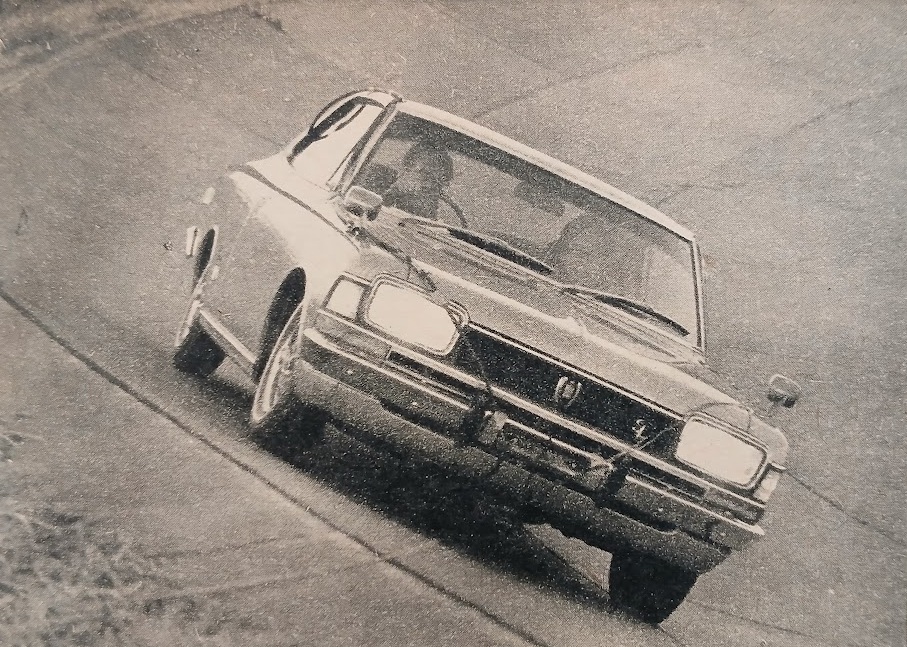
Publication: Motor Fan
Format: Road Test
Date: January 1969
Author: Kameo Uchiyamada, Osamu Hirao, Eiichi Kumabe, Masashi Kondo, Kenji Higuchi, Hiroshi Hoshijima, Kunitaka Furutani, Jun Narie, Yasuhei Oguchi, Taizo Tateishi, Kazuo Kumabe, Akio Miyamoto, Mineo Yamamoto, Atsushi Watari, Kenzaburo Ishikawa, Toshihide Hirata, Minoru Onda, Motor Fan Editorial Staff (uncredited)
Growing Demand for Hardtops
Magazine: As is our usual practice, we would like to ask Mr. Uchiyamada to start by talking about the aims of the development and how the project came about.
Toyota Crown Hardtop SL (1969)
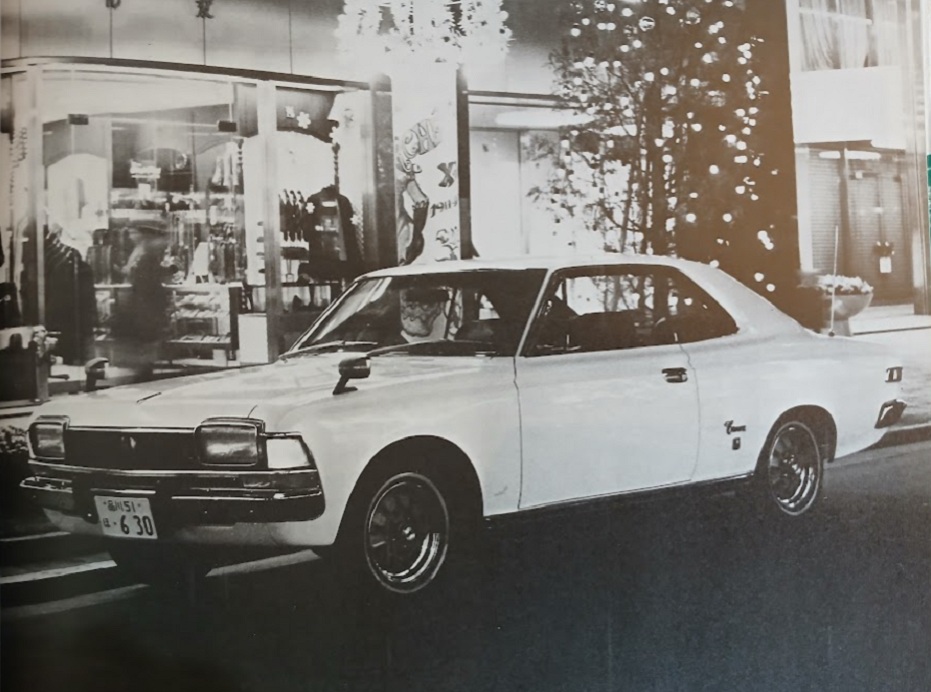
Publication: Car Graphic
Format: Road Test
Date: February 1969
Author: “C/G Test Group” (uncredited)
Summary: Two-door coupe version of the Crown S. Rear seat comfort is not compromised, six-cylinder SOHC engine revs easily to 7000rpm or more, extremely quiet up to high speeds, conversation is possible at 120km/h, brakes are powerful but require excessive pressure, steering is heavy at low speeds, ride is generally good but a bit stiff on bad roads.
Toyota Crown Hardtop Super Deluxe (1969)
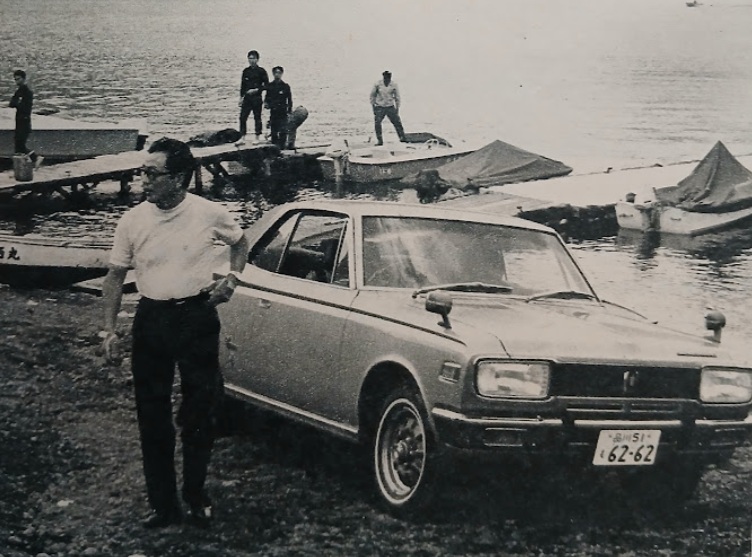
Publication: Motor Fan
Format: Test Drive Report
Date: November 1969
Author: Shuichi Ema, Motor Fan Editorial Staff (uncredited)
A Refined Personal Car
As an “owner’s car,” the Crown Hardtop, the newest addition to the Crown series, is surely among the very finest. For this reason, we have invited a veteran with sixteen years of private car ownership experience to take the wheel this time.
Impressed by a Refined New Face
Toyota Crown Hardtop Super Saloon (1971)
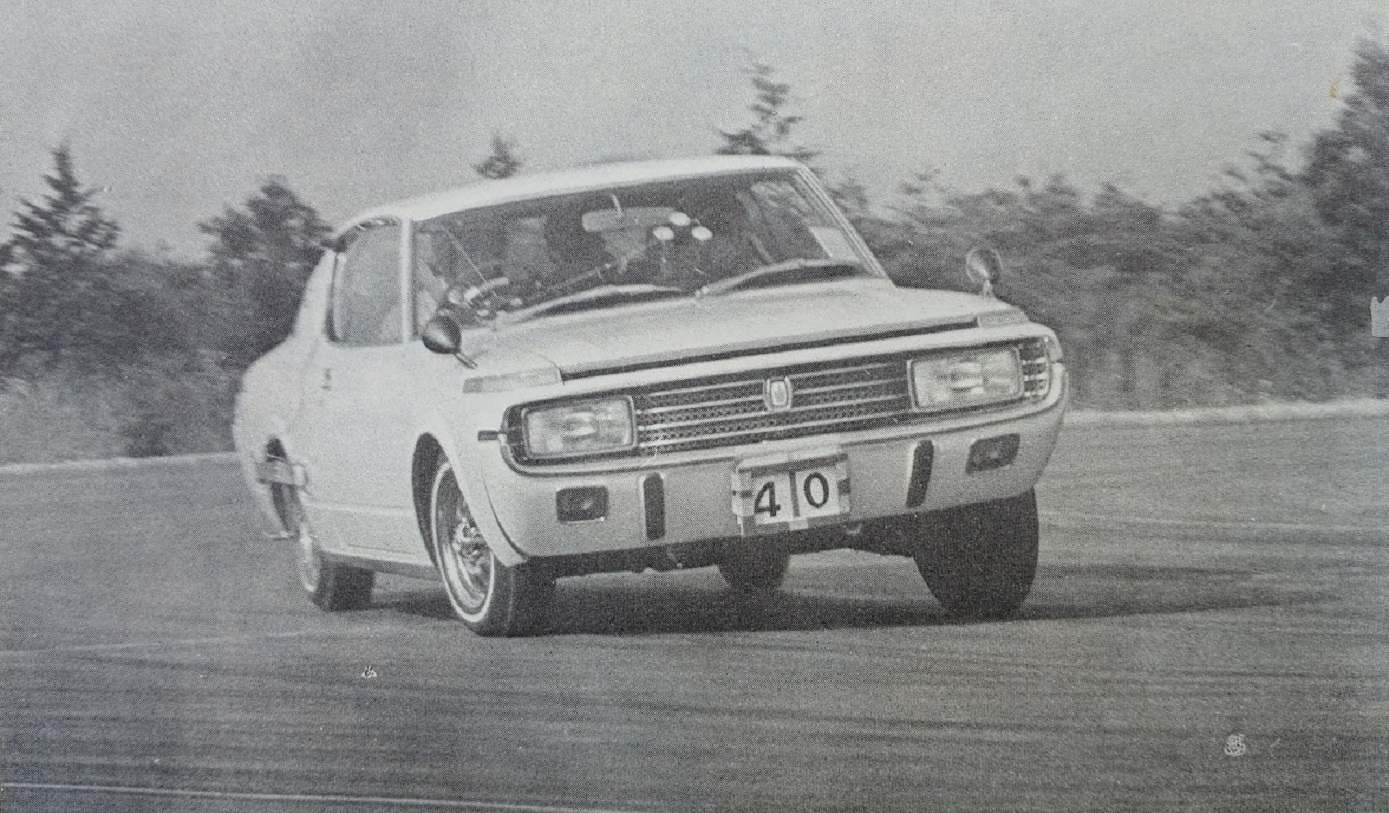
Publication: Motor Fan
Format: Road Test Summary
Date: 1971 (Motor Fan Road Test Digest Annual)
Author: Motor Fan Editorial Staff (uncredited)
Toyota Crown Hardtop Model Overview
With this model change, the Crown’s styling has undergone major changes that seem to be ahead of their time. The rounded roofline, bonnet treatment, and other innovative forms are evident throughout, giving the car a style that ranks among the best of Toyota’s cars, while still retaining the familiar curved body shapes in the same vein as the Corona and Mark II, the so-called “Toyota Line.” The first thing that catches your eye is how smooth the body is, without any conspicuous protrusions. The front and rear body-colored bumpers are integrated into the rest of the body so as not to disturb the lines of the exterior. The bumpers are thicker than the body panels, giving them the strength required for their function, while also making them easy to replace in the event of damage. The smooth flow of the roofline blends into the rear fender line to create a graceful curved surface. The semi-matte wheel covers, which at first glance resemble magnesium, and the large air outlets in the rear pillars add a further special touch to the car’s exterior.
Toyota Crown 2600 Hardtop Super Saloon (1971)
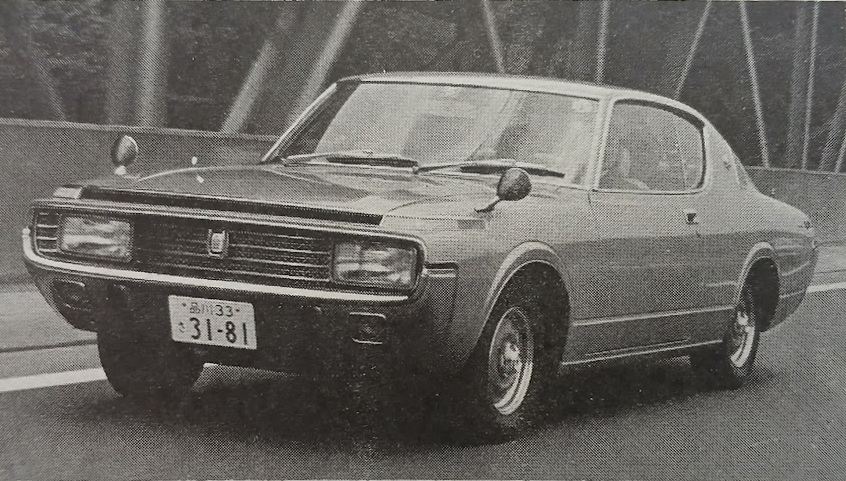
Publication: Motor Fan
Format: “Bubble Index” Road Test
Date: July 1971
Authors: Osamu Mochizuki, Katsuzo Kageyama, Shigeki Asaoka, Yasuhei Oguchi, Reiko Ikuuchi, Kensuke Ishizu
Power Worthy of the Class
“Underpowered for its weight” was a frequently-heard comment when the new 2-liter Crown was first introduced. Now a 2.6-liter version has arrived. What sort of driving feel does this newly released model deliver?
A 2.6-Liter and Torque Converter to Match the Body
Toyota Crown Hardtop Super Saloon vs Nissan Cedric Hardtop GX (1971)
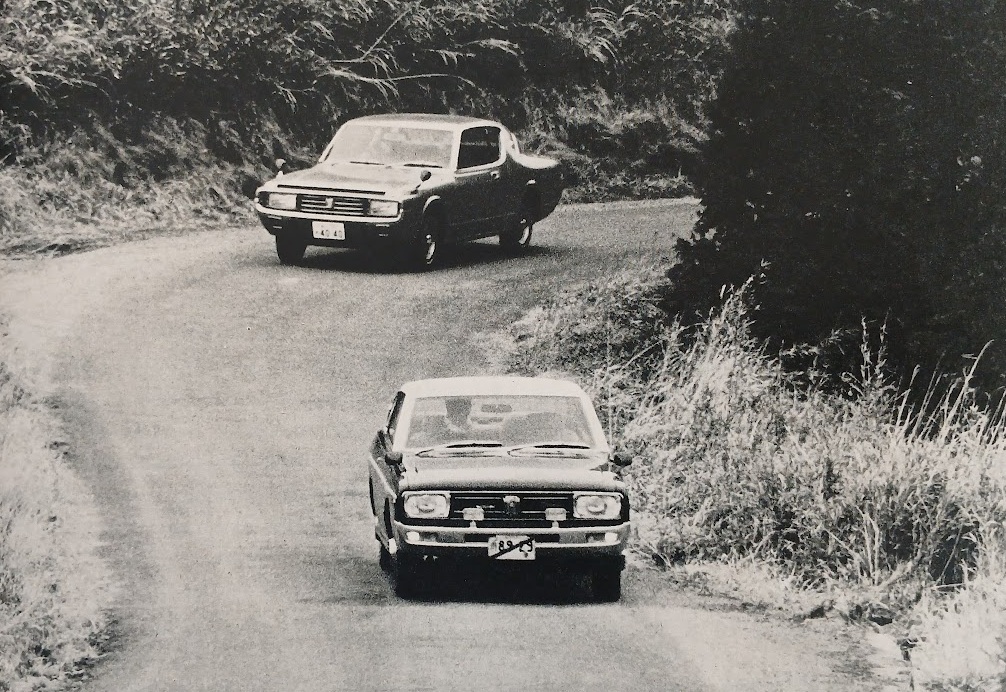
Publication: Car Graphic
Format: Group Test
Date: December 1971
Author: Shotaro Kobayashi
Comparison Test: Toyota Crown Hardtop Super Saloon vs. Nissan Cedric Hardtop GX
When one hears the names Crown or Cedric, the image that most readily comes to mind is a black company car gliding along at an unhurried pace with a senior executive in the rear seat–or else the internationally infamous “kamikaze” taxi. This not-entirely-flattering image was first shattered some four years ago with the introduction of the Owner Deluxe, marketed under the catchphrase “The White Crown.” It was then decisively overturned by the launch of the Hardtop in the autumn of 1968. With that, the Crown secured a firm foothold among affluent owner-drivers seeking a truly personal luxury car.