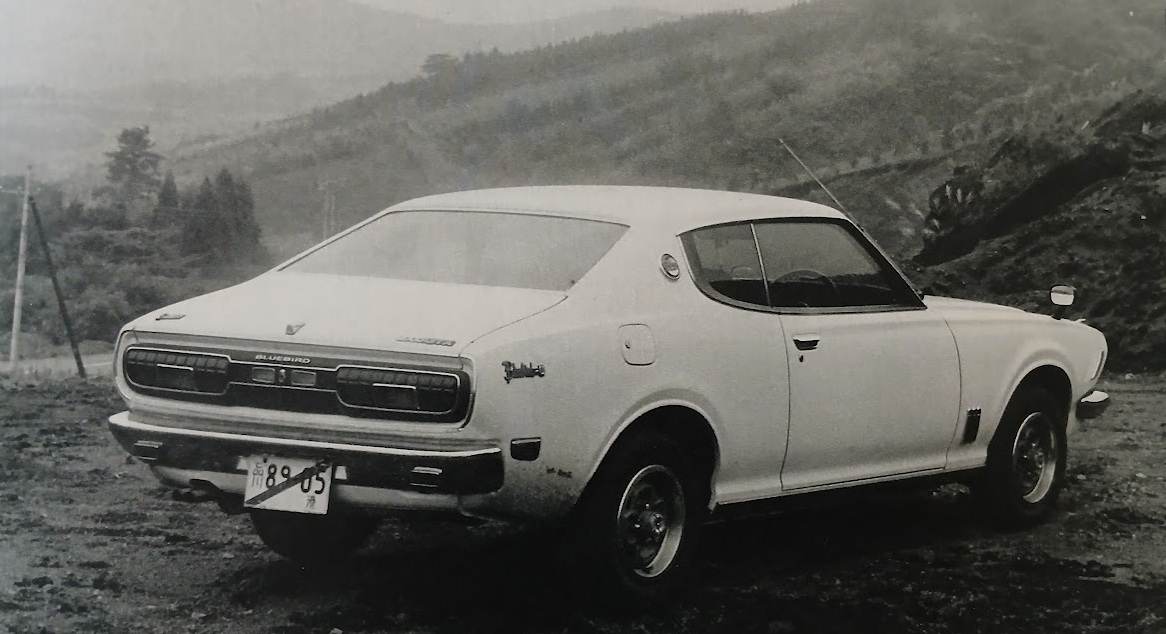
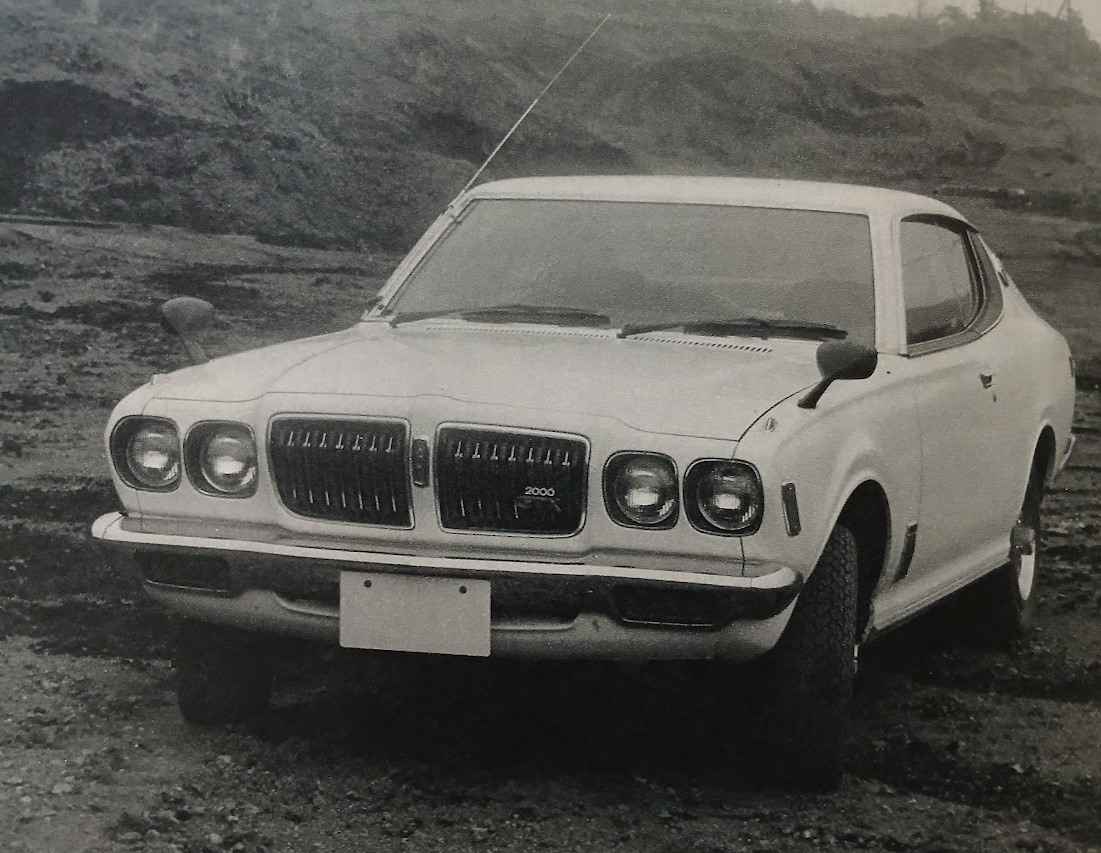
Nissan Bluebird U 2000GT-X Hardtop (1973)
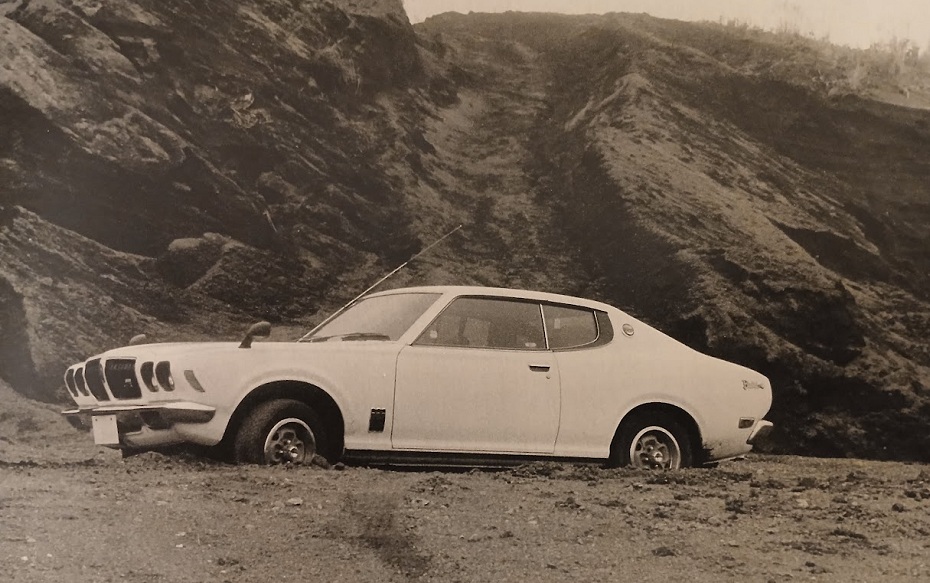
Publication: Car Graphic
Format: Road Test
Date: November 1973
Author: “C/G Test Group” (uncredited)
Road testing the Bluebird U 2000GT-X Hardtop
Why anyone would go to the trouble of stretching the wheelbase simply to install the large, sleepy L20 six-cylinder engine is beyond our understanding. After covering 530km in the newly introduced Bluebird U 2000GT, just announced on 29 August, this was our honest first impression.
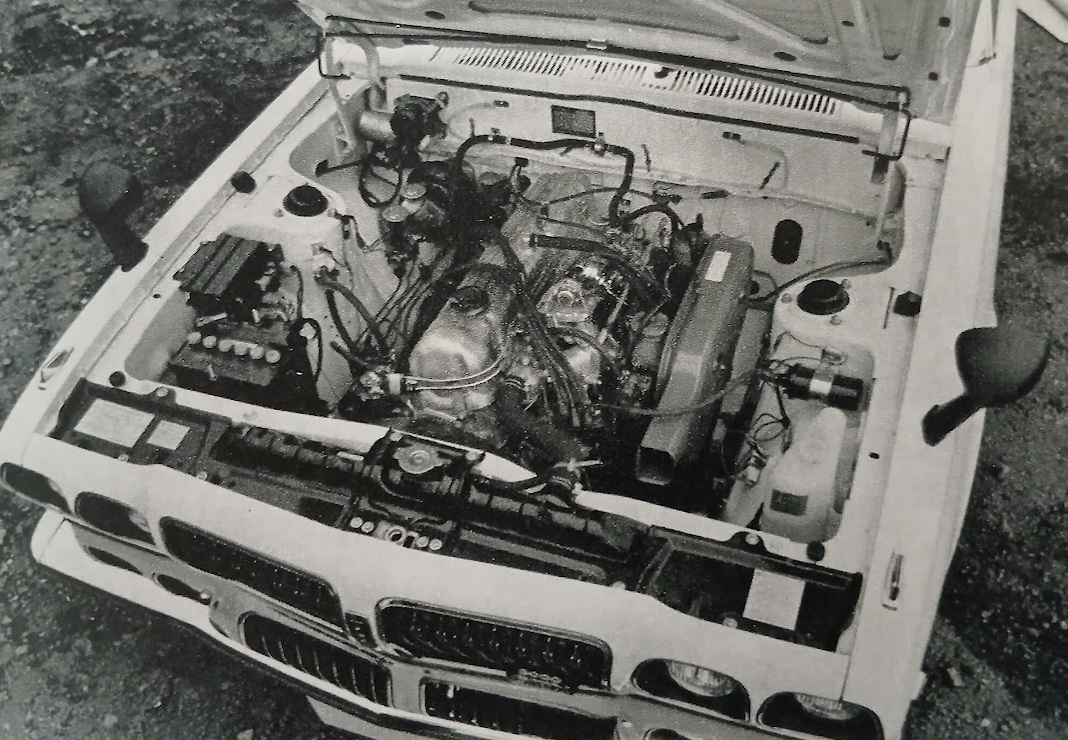
As explained in detail in this month’s New Models section, the new Bluebird U GT is based on the Bluebird U introduced in August 1971. Like the Skyline GT, its nose has been extended and an inline six squeezed into an engine bay originally designed for a four-cylinder engine.
Having previously tested several 1.6- and 1.8-liter four-cylinder Bluebird Us, we never felt that the car needed a six-cylinder engine. If there was any justification for it, it lay in marketing rather than engineering. If Nissan simply looked at the popularity of the so-called “Ska-G” and decided to produce a similar Bluebird, then it can only be described as product planning that was facile, lacking in conviction, and utterly stale.
What reassured us somewhat once we actually drove the car was that it had the best-balanced chassis of any L20-powered model we have experienced. On the other hand, its performance once again proved disappointing.
Our test car was the Hardtop 2000GT-X, the most expensive of the four Bluebird U GT models, priced at 1,028,500 yen in Tokyo. It was fitted with the optional 175/70HR-14 radial tires (Bridgestone RD102 Wide 70 on this particular car). 6.45S-14-4PR cross-ply tires are standard, and both are mounted on 4.5-inch rims.
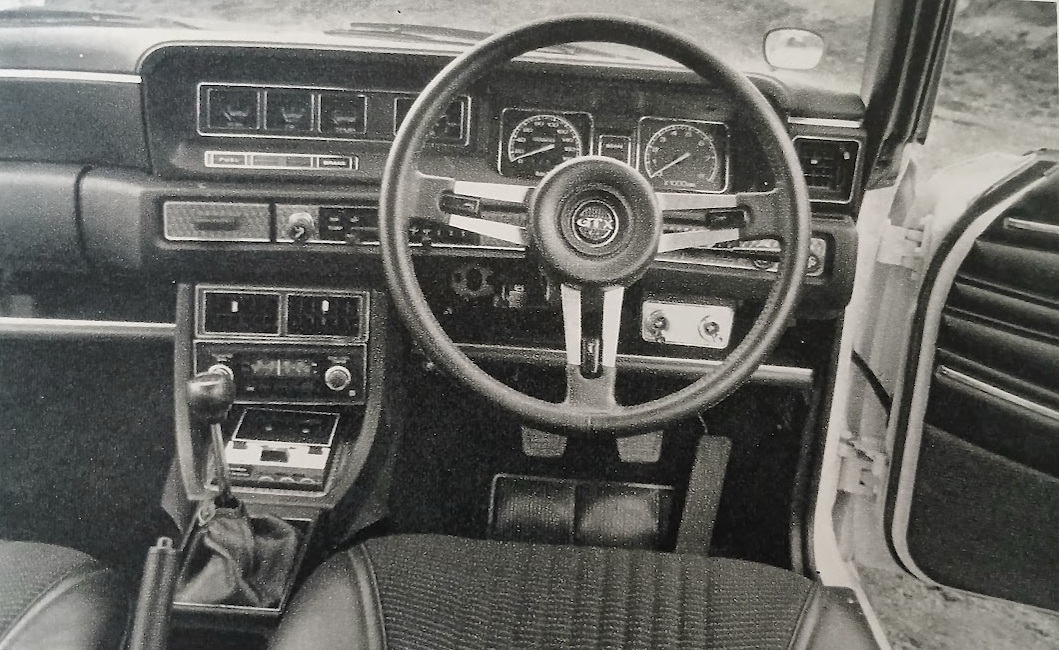
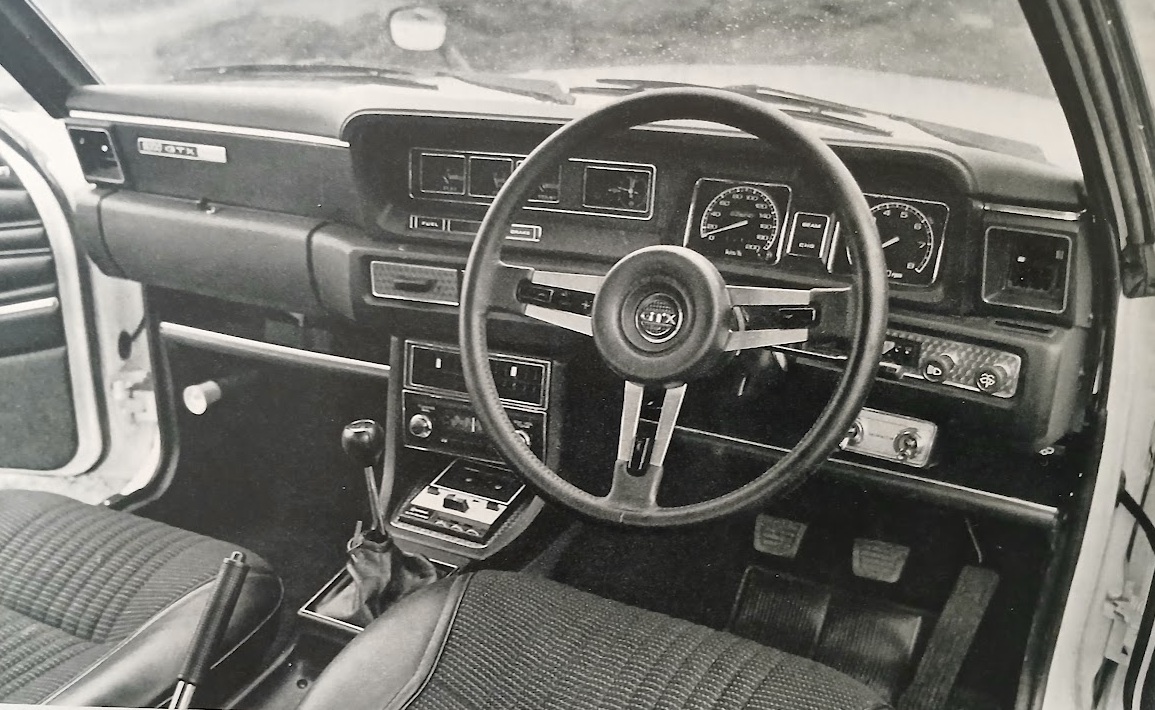
The first thing one notices from the driver’s seat is the restricted visibility. The Bluebird U has always placed the driver in a low seating position, with the cowl, steering wheel, and beltline all relatively high, forcing a rather unnatural driving posture—like reclining in a Western-style bathtub with one’s neck stretched upward. On this six-cylinder version, the raised hood only makes matters worse.
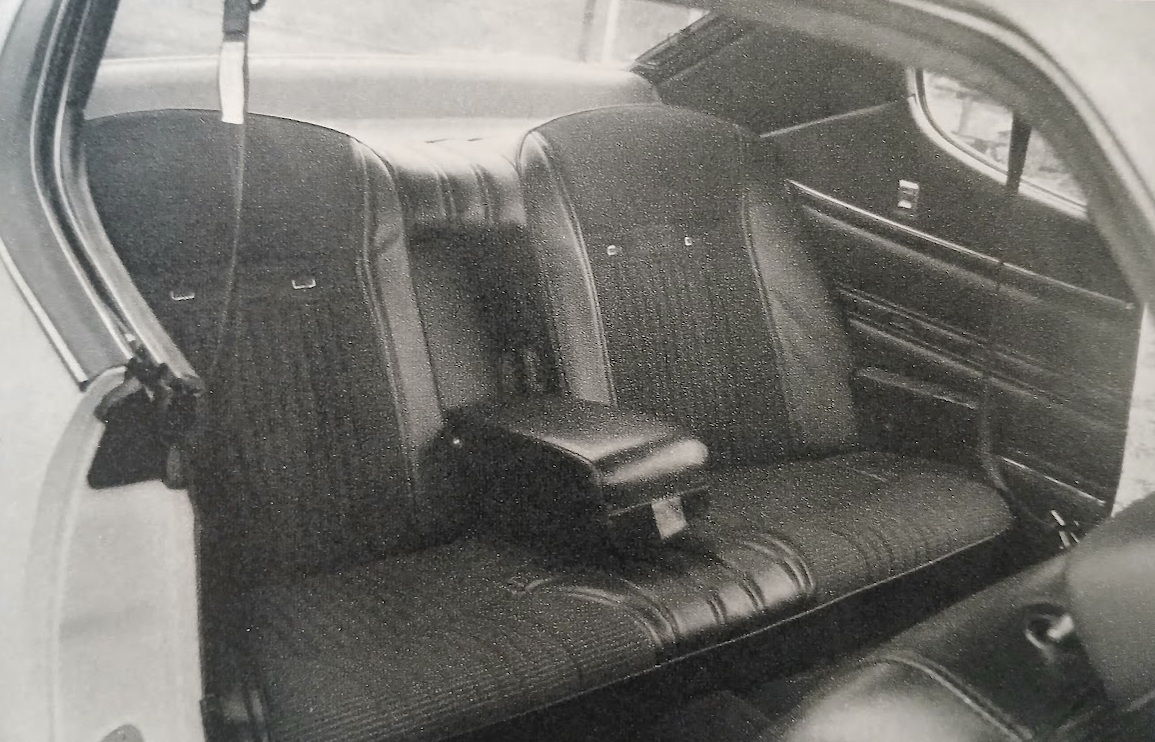
Because the nose extends more than 20cm farther ahead of the cowl than on the four-cylinder model, and because its central bulge is more pronounced than necessary, a relaxed driving position leaves one unable to see not only the road immediately ahead, but even the small marker projection at the tip of the left front fender. The windshield is also vertically shallow, rearward visibility is less than adequate, and with the interior finished almost entirely in black, it feels psychologically very confined.
The L20 six-cylinder engine—shared with the Cedric/Gloria GX, Fairlady Z, Skyline GT-X, and Laurel SGX—has a bore and stroke of 78 × 69.7mm and a displacement of 1998cc. With twin SU carburetors and a compression ratio of 8.6, it develops 125ps/6000rpm (A 130ps premium-fuel version is available in other models, but not in the Bluebird U.) In the mild early-September weather, the engine naturally came to life with a single twist of the key, settling immediately into a smooth idle at 750-850rpm.
Pressing the light but extremely long-travel clutch, then engaging first gear with a shift lever whose throws are likewise excessively long—particularly fore and aft—and moving away, one is reminded immediately of the Skyline, and of the Laurel as well.
One thing we have noticed every time we drive a car powered by this L-series engine is that it continues to become more refined, little by little. That was true of every recent L14, L16, and L18 four-cylinder we have driven, and the same holds for this six-cylinder. Below 3000rpm it is more than adequately quiet, smooth, and flexible. Using only up to about 3000rpm in each gear is enough to stay ahead of city traffic, and once in fourth the car can simply be left there. Indeed, above 40km/h even fifth gear (1300rpm) can be used frequently.
Since the engine develops more than 14kgm—some 80% of its maximum torque—from 1000rpm all the way to 5800rpm, there is no particular range where it really comes on strong. Instead, it delivers much the same power everywhere. As a result, even on the expressway there is rarely any need to leave fifth gear.
These admirable qualities, however, are limited to the low- and medium-speed ranges. Beyond 4500rpm the engine becomes every bit as rough and noisy as before, to a degree that is quite unacceptable for a six-cylinder. Particularly objectionable is the metallic, resonant vibration that reaches the occupants’ ears, suggesting a lack of rigidity throughout the entire powertrain, from the engine itself to the gearbox.
The tachometer’s yellow zone begins at 6000rpm, with the red zone at 6300rpm, but these markings are entirely unrealistic. In practical use, it is best to keep the engine below about 5000rpm. Physically, the engine will rev to 6500rpm, but doing so requires overcoming considerable psychological resistance, and there is no increase in top-end performance to make it worthwhile. It is far wiser simply to shift up before the engine becomes objectionably noisy.
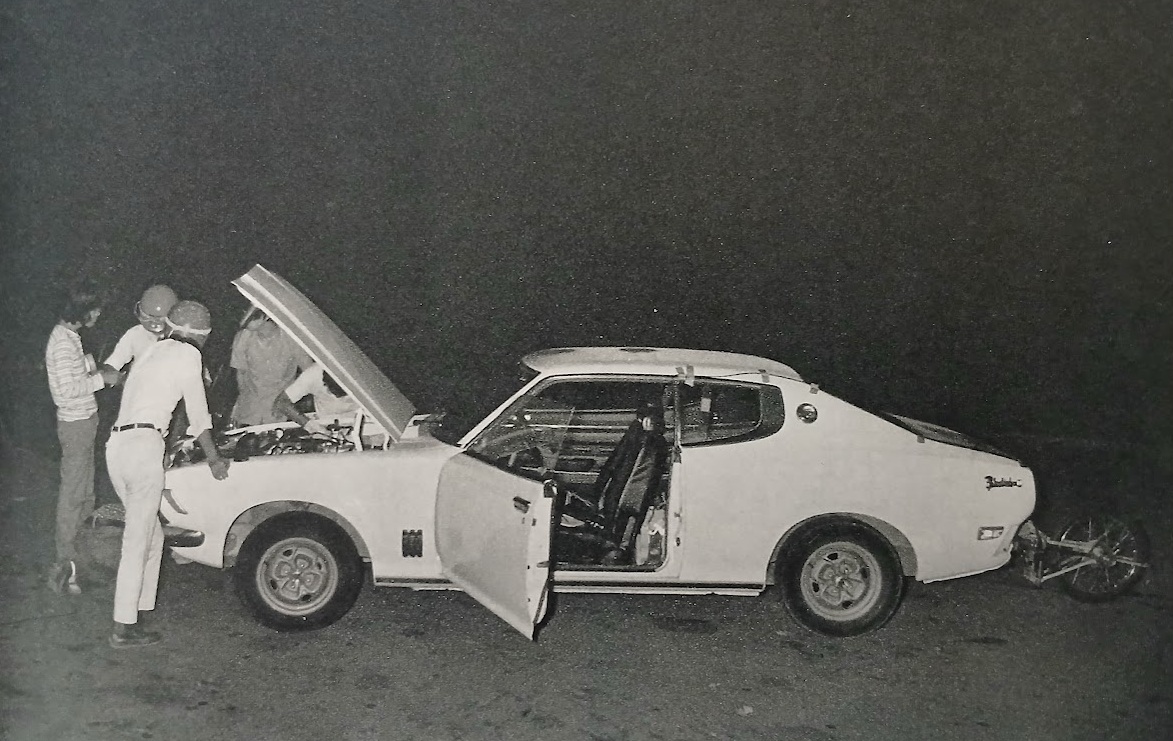
The proof lies in the measured performance. Even when revved to the limit, every figure proved disappointing for a sporting 2-liter car. Our test results, obtained with an accurate fifth-wheel speedometer and stopwatch, were as follows:
| Top speed (over 1km straight) | 161.87km/h |
| 0-400m | 18.34s |
| 0-1000m | 34.60s |
| 0-100km/h | 14.03s |
If the engine was not in perfect tune during our test, then perhaps somewhat better figures might have been achieved with more careful adjustment. Even so, the improvement hardly would have mattered. For comparison, the results recorded by C/G last year for the Bluebird U 1600 SSS-E were a top speed of 172.41km/h, 17.5 seconds for 0-400m, 33.0 seconds for 0-1000m, and 12.35 seconds from 0-100km/h—all significantly better than those of this new 2-liter model.
When revved up to 6300rpm, the measured maximum speeds in each gear were 49km/h in first, 78km/h in second, 123km/h in third, and 159km/h in fourth. In fifth, the engine ran out of breath at 5600rpm. At that point, the ridiculously optimistic speedometer was indicating 186km/h, so in that sense at least the car exceeded its catalog maximum speed of 180km/h.
For reference, an indicated 100km/h on the speedometer (91km/h actual) corresponds to 3500rpm in fourth and 3100rpm in fifth, while an indicated 120km/h (107km/h actual) corresponds to 4200rpm in fourth and 3700rpm in fifth. In practical terms, about 120km/h in fifth gear is the upper limit of comfortable cruising. At that speed, the only sound reaching the occupants is the distant murmur of the exhaust. Mechanical engine noise, gearbox whine, and tire noise are almost completely shut out, while wind noise around the body is nearly nonexistent.
Turning next to the handling, our experience with previous C/G tests has been that fitting the L20 engine, which weighs over 50kg more than the four-cylinder unit, largely determines the car’s basic handling character. The result has invariably been lifeless steering and excessive understeer. Both seem to be the consequence of hanging a large weight over the nose.
The Bluebird U GT is no exception in this regard. Pleasingly, however, it has progressed to the point where it displays the most confidence-inspiring behavior of any similar Nissan model. The main reason would appear to be that it has the widest front track of the Bluebird U series, the Skyline GT, and the Laurel. A comparison of the wheelbase, front and rear track, overall length, width, and height of the three models is below:
| (All hardtops) | Wheelbase | Tread, F/R | Length | Width | Height |
|---|---|---|---|---|---|
| Bluebird U (4-cyl) | 2500mm | 1310/1320mm | 4215mm | 1600mm | 1395mm |
| Bluebird U (6-cyl) | 2650mm | 1365/1320mm | 4420mm | 1615mm | 1380mm |
| Skyline GT-X | 2610mm | 1350/1330mm | 4460mm | 1625mm | 1385mm |
| Laurel 2000SGX | 2670mm | 1350/1330mm | 4500mm | 1680mm | 1405mm |
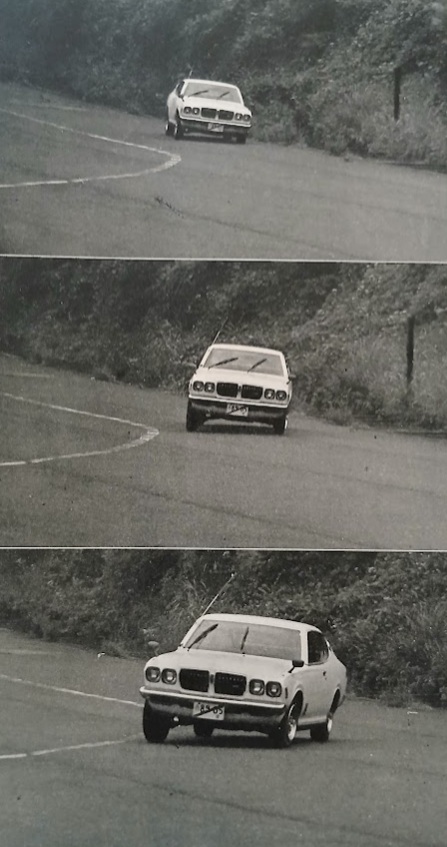
As these figures show, the six-cylinder Bluebird U has a front track 55mm wider than that of the four-cylinder model, and still 15mm wider than those of the Skyline and Laurel. At the same time, its body is somewhat smaller than the Skyline GT’s, while its wheelbase is 40mm longer. The result is presumably a chassis with somewhat greater inherent stability. This becomes readily apparent on winding roads with a succession of medium-speed corners.
The recirculating-ball steering, with its variable ratio of 19:1 to 22.5:1, requires more than four turns from lock to lock. At low speeds it is simply light and feels rather insubstantial, but as speed increases it inspires steadily greater confidence. Although it still has some 100mm of free play at the rim in the straight-ahead position, once that free play is taken up, the front wheels respond faithfully to further movement of the steering wheel, producing a natural and predictable response from the car. The steering wheel itself sits somewhat high in relation to the driving position, but is appropriately small in diameter and comfortable to grip. Even through a succession of bends the driver’s hands never become particularly busy, while steering effort remains light regardless of speed.
The car maintains fairly strong understeer through corners. Ultimately, the rear wheels will break away first, but only if deliberately provoked; during our test we experienced it only once, under full power in second gear through a very tight bend. In ordinary medium-speed corners, even at full throttle in third gear, simply turning the steering a little further than it was turned initially is enough to pass through with surprising ease. Body roll is naturally quite pronounced, but unlike the Skyline and Laurel, the nose does not continue to push wider no matter how much the steering wheel is turned. It can therefore be considered a fundamentally safe-handling car. As mentioned earlier, however, the poor visibility spoils what is otherwise an excellent chassis. In particular, the inability to judge the road surface immediately ahead makes the car more difficult to drive.
The car’s good handling is helped considerably by its tires. The optional Bridgestone RD201 Wide 70 radials (175/70HR-14) fitted to our test car supported it well despite the 4.5-inch rims being rather undersized for a car of this weight, maintaining their grip even during fairly hard cornering without rolling over. Absolute grip was not especially high by radial-tire standards, and there was still some uncertainty on wet roads, but they provided a compliant ride overall (our test was conducted with the recommended high-speed tire pressures of 2.0kg/cm² front and rear), and their subdued squeal seemed well matched to the character of the chassis. It would be most interesting to see how the Bluebird U GT behaves on its standard 6.45S-14-4PR cross-ply tires.
Among the Bluebird U GT models, only the flagship GT-X equipped with the 5-speed gearbox (like our test car) receives the so-called “hard” suspension. Spring rates are 2.17kg/mm at the front, 10.6kg/mm at the right rear, and 10.7kg/mm at the left rear, representing increases of 17% at the front and an average of 15% at the rear over the standard model. The rear dampers have also been stiffened, with compression damping (at 0.3m/sec) increased to 59kg and rebound damping to 90kg, increases of 36% and 40% respectively. (The front dampers are the same for all models.) The front stabilizer bar is likewise larger in diameter, measuring 21mm compared with 19mm on the standard model.
Despite being called “hard,” however, the ride is in fact extremely soft. Only when crossing abrupt changes in the pavement does the car exhibit pronounced vertical movement. At higher speeds, it even seemed somewhat underdamped.
Apart from the unpleasantly springy feel of the brake pedal, the brakes themselves are excellent. The servo is powerful, and braking action is always satisfyingly smooth and progressive. Changes in attitude are very slight, and even under panic braking the rear wheels show almost no tendency to lock. We were unable to make a detailed assessment of fade resistance, but the brakes’ performance remained consistent after repeated applications on a fairly long downhill descent, so they should prove entirely adequate in normal use. The flashing parking-brake warning lamp, reminiscent of those found on some European cars, is something of a distraction.
The interior equipment is much the same as that of other high-priced domestic cars. In addition to a full complement of instruments, including a tachometer and oil-pressure gauge, the front of the center console houses an AM/FM radio and cassette player. Under the right-hand side of the dashboard are controls for the remote adjustment of both fender mirrors. A heated rear window is, of course, standard equipment, all side windows are electrically operated, and with the lights switched on, each of the control knobs glows with a soft green illumination. The overhead console is no longer particularly novel, but we were impressed to find that even the “GT-X” emblem above the glovebox side was illuminated.
That a practical engine of only about 2 liters has no need for six cylinders is demonstrated by the many excellent four-cylinder engines available today (for example, those from BMW). There is little point in making that argument here, however. The Bluebird U 2000GT exists for those who, for reasons which are not easy to explain, simply desire the L20 engine. Viewed in that light, the Bluebird U 2000GT represents a better buy than either the Skyline GT or the six-cylinder Laurel, mainly because of its superior overall balance.
Of course, it is not agile enough to invite enthusiastic driving. Rather, its strength is in making effortless progress by taking advantage of its quiet low-speed manners and generous torque. For that reason, C/G’s own recommendation would be the version equipped with the optional 3-speed automatic transmission (an extra 35,000 yen, and fitted with the standard suspension rather than the GT-X’s “hard” specification). The optional wide radial tires are, of course, also recommended.
Average fuel consumption over the course of our test was 8.44km/l on regular gasoline. On the Tomei Expressway, cruising at around 100km/h almost entirely in fifth gear, with only occasional downshifts to fourth, consumption improved to 10.79km/l.
Postscript: Story Photos